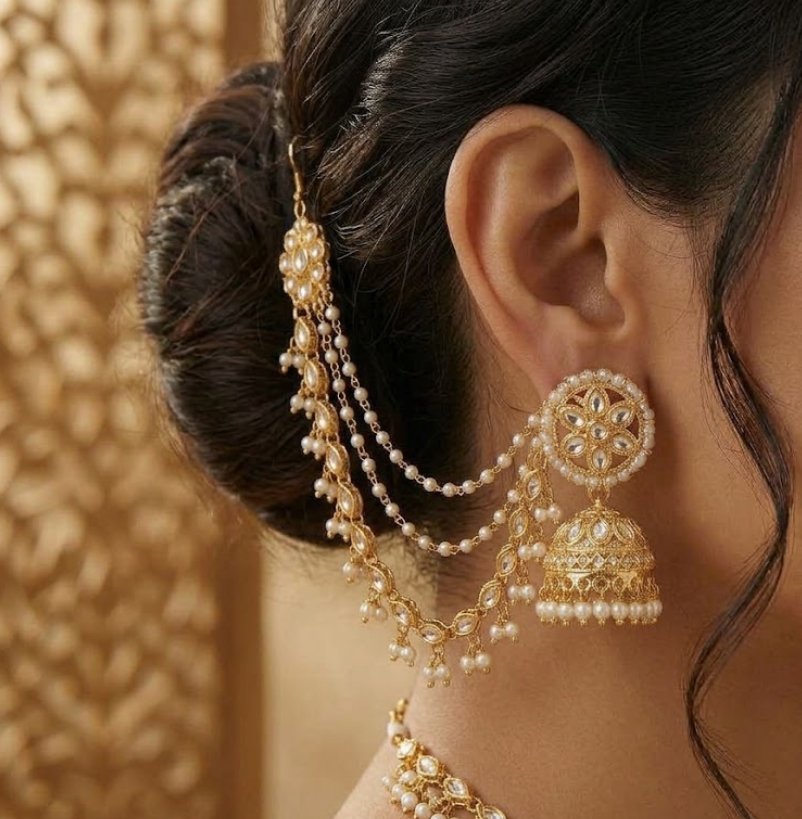
There’s something instantly magical about the sound and sway of a jhumka. Whether it’s a subtle shimmer that catches the light during a casual coffee date or the grand, detailed statement piece that completes a festive outfit, these bell-shaped earrings hold a unique spot in our jewellery boxes—and in our hearts.
But have you ever wondered where this iconic shape actually came from, and how it went from ancient temple architecture to our everyday style?
Let’s take a little journey through time to explore the roots of the jhumka and why it remains as captivating today as ever.
Born in Sacred Spaces: The Ancient Origins
To trace the jhumka back to its beginnings, we have to look toward ancient South India. Long before they became fashion staples, jhumkas—originally derived from the word Jhumki, referencing the rhythmic swaying of bells—were crafted for traditional temple dancers.
In classical dance forms like Bharatanatyam, every movement tells a story. Jewelers designed the bell shape to echo the architecture of temple domes and hanging chimes. As dancers moved, the tiny dangling beads created a subtle, musical chime that added life to their performance.
Over time, royalty caught on. Intricate metalwork, precious gemstones, and fine filigree turned these temple ornaments into symbols of grace, status, and celebration across royal courts throughout the subcontinent.
The Mughal Touch: Fine Details and Regal Flair
As the years went on, the jhumka traveled north, blending seamlessly into Mughal jewellery crafting. This is where the earring evolved into a canvas for intricate artistic detail.
Craftsmen introduced:
- Meenakari: Beautiful, vibrant hand-enameled detailing on the underside and inside of the dome.
- Kundan & Polki: Uncut diamonds and gemstones set into gold foil, bringing an unmistakable glow.
- Pearl Tassels: Softening the metallic weight with delicate rows of tiny pearls or beads dangling along the rim.
This era transformed the jhumka from a purely traditional piece into a versatile work of art, giving us many of the classic styles we still adore today.
How the Jhumka Looks Today: Modern, Light, and Personal
Fast forward to today, and the jhumka has undergone a wonderful modern reinterpretation. You no longer need a royal wedding or a grand festival as an excuse to wear them!
Today’s designs celebrate both tradition and modern comfort:
- Lightweight Everyday Grace: Traditional jhumkas could be quite heavy, but modern artisan pieces use clever lightweight alloys, delicate filigree, and scaled-down silhouettes so you can comfortably wear them all day.
- Minimalist & Contemporary Tops: From sleek black onyx studs to subtle geometric tops paired with a classic dome, jhumkas now pair just as effortlessly with a crisp white shirt or blazer as they do with a saree.
- Fusion Materials: Today, you’ll find jhumkas adorned with everything from vibrant ruby beads and pearls to oxidized silver, amethyst tones, and intricate enamel work—offering something for every personal palette.
A Piece of History in Every Sway
What makes the jhumka so special isn't just its beauty; it’s the connection it creates. Wearing one means carrying forward thousands of years of artistry, storytelling, and craftsmanship, reinterpreted for your own unique look.
Whether you prefer a bold statement pair or a delicate mini jhumka, there’s no denying the quiet confidence that comes with that signature sway.
What’s your favorite way to style a jhumka? Do you love pairing them with classic festive wear, or bringing a touch of tradition to everyday outfits? Let us know in the comments!
Explore the collection →